
Dieser Inhalt ist nur auf Englisch verfügbar.
Delivery SquashTM 14.0, AI-powered test case generation tailored to your business context
The delivery of SquashTM contains the following features:
-
AI test case generation enriched with business context for more targeted results
-
Display of Sprint Executions Directly in Jira
-
TinyMCE: a redesigned text editor for your day-to-day work
-
Feature removals
-
Deprecated features
The full list of new features and bug fixes is available on SquashTM14.0 release note.
AI test case generation enriched with business context for more targeted results
Requires SquashTM Ultimate.
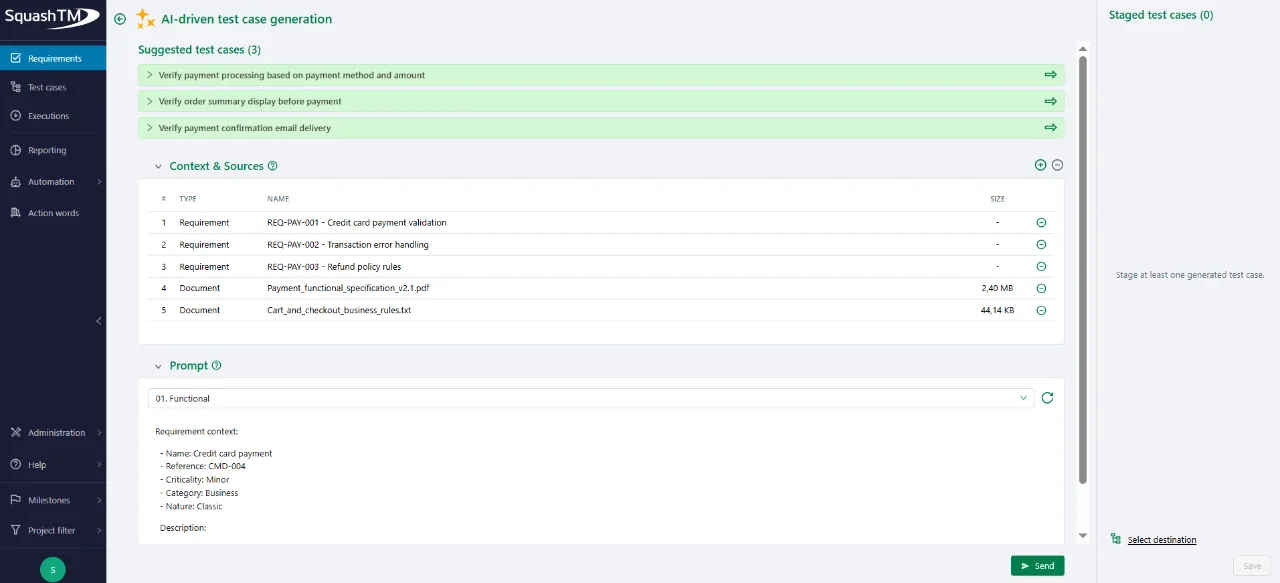
With version 14.0, test case generation draws on richer functional context — requirements, specifications, business rules — to produce results better aligned with the scope under test, with less review and adjustment.
- A new “Context & Sources” panel allows documents to be attached directly in the generation screen.
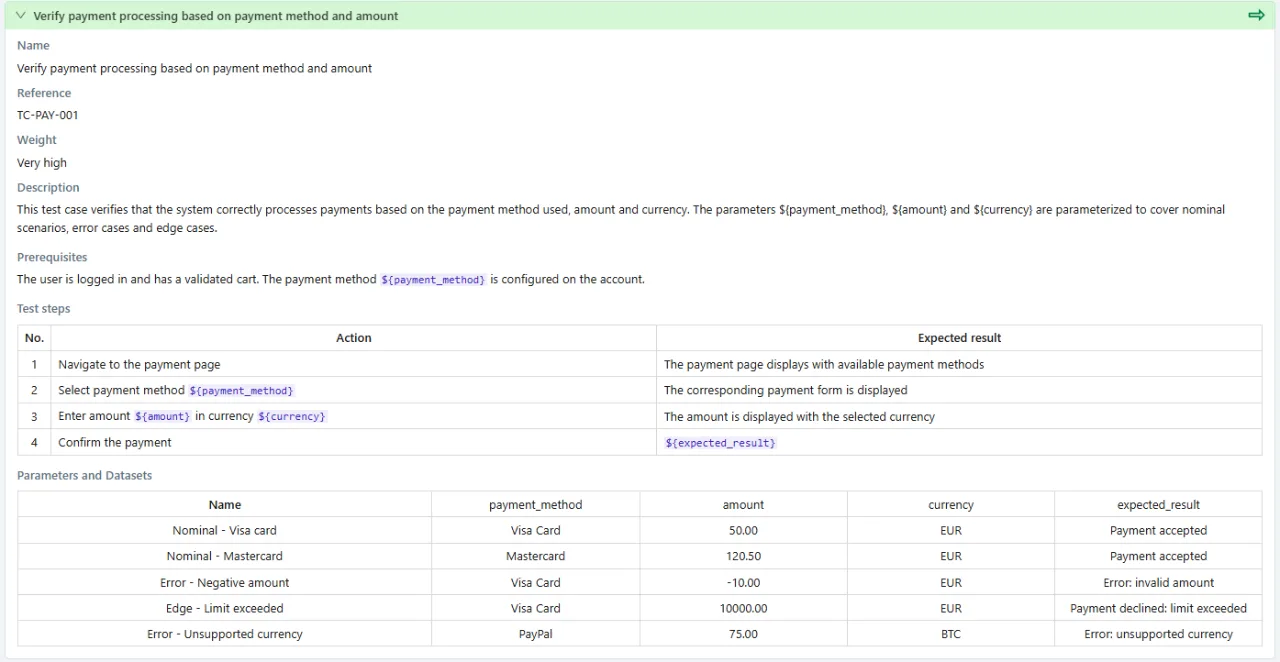
- The AI now produces parameterized test cases with datasets: nominal scenarios, error cases, and edge cases covered in a single test case.
- Three read-only preconfigured prompt sets are included, one of which is dedicated to dataset generation.
[XSquash Jira Datacenter] Display of Sprint Executions Directly in Jira
Requires SquashTM Premium.
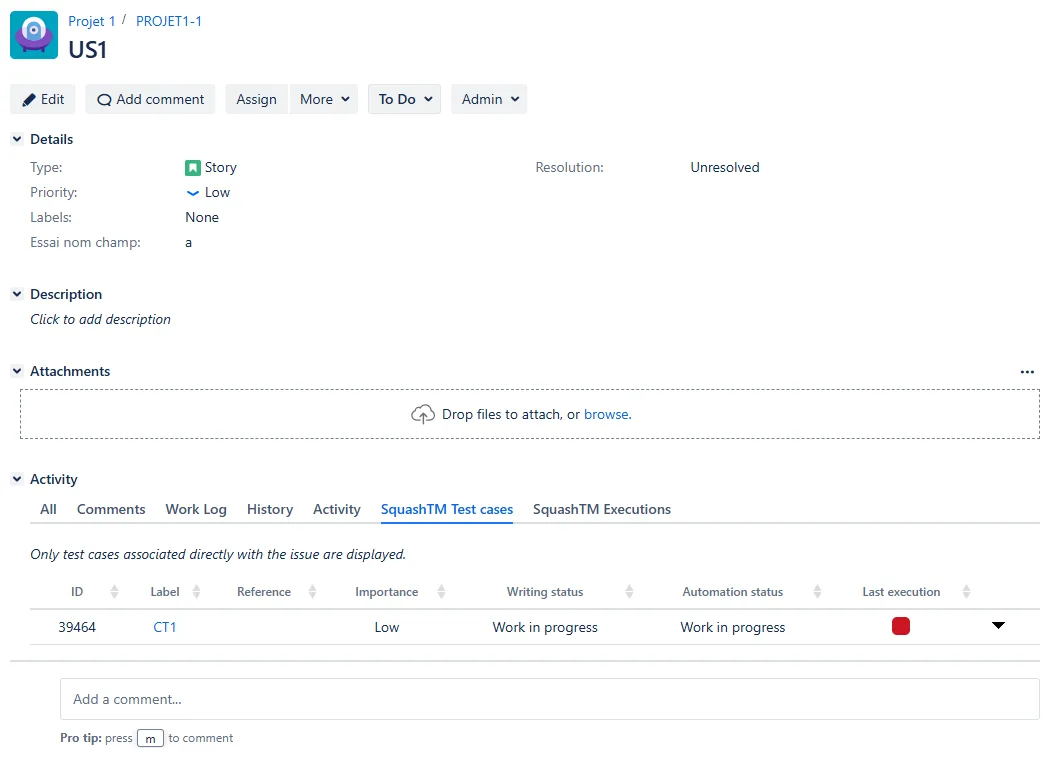
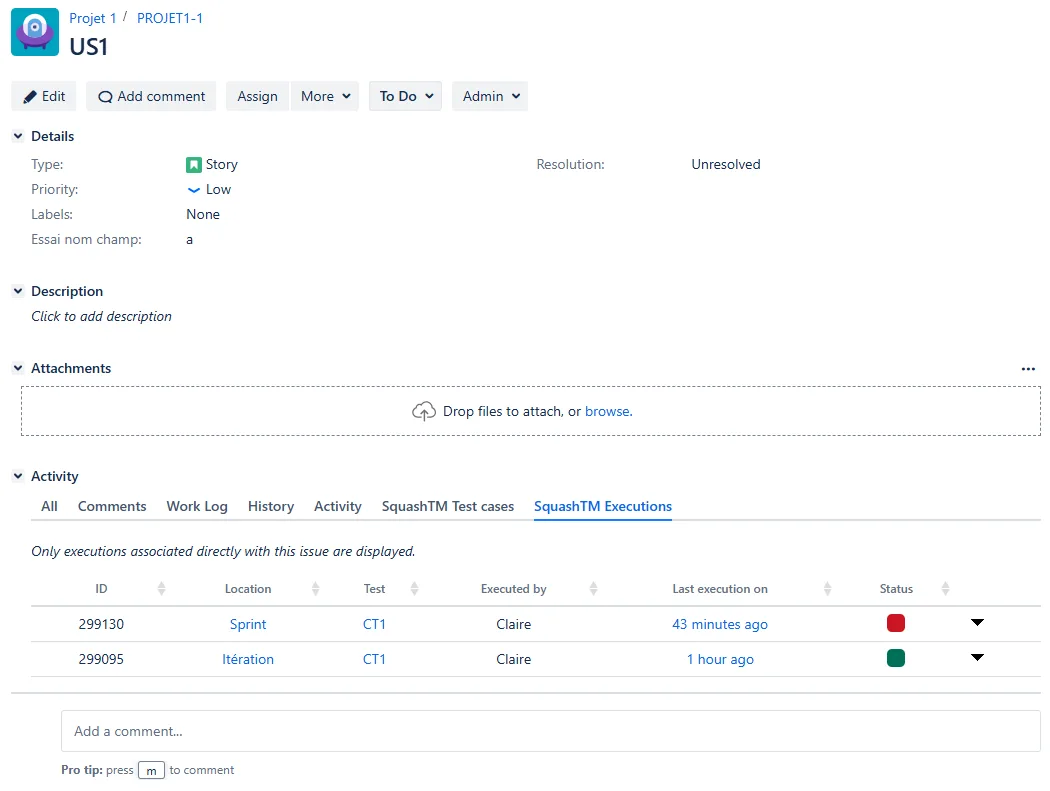
With version 14, the XSquash Datacenter plugin enriches the information available in Jira tickets by integrating execution statuses from sprints in SquashTM.
Previously, the XSquash tabs displayed only test cases and executions linked to campaigns and iterations. From now on, data coming from manual or synchronized sprints is also displayed, providing a complete view of test progress, regardless of how the execution plan is organized.
Concretely, from a Jira ticket, users can now view:
- In the Test Cases tab, the status of the latest execution of a test case coming from an iteration or a sprint.
- In the Executions tab, a new “Path” column, which links to the test case execution plan as well as its execution status.
This enhancement strengthens the link between Jira and SquashTM for test tracking in an Agile context.
A redesigned text editor for your day-to-day work
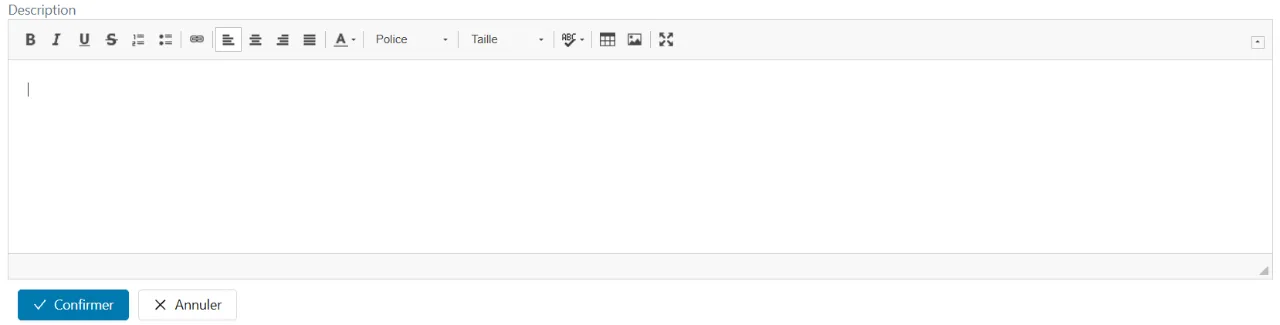
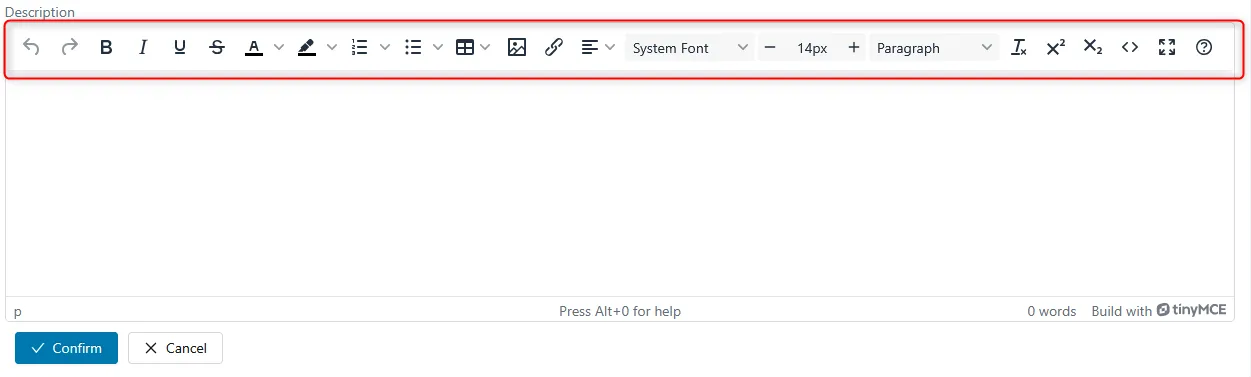
This version replaces CKEditor with TinyMCE: a cleaner interface, better performance on large documents, and copy-paste that preserves your formatting.
Before:
After:
A cleaner interface, with performance to match
The toolbar has been reorganized around the most-used functions. Icons are clearer, the layout more logical. Keyboard navigation is improved, with richer shortcuts for users who prefer to stay off the mouse. On large documents, the editor is noticeably more responsive.
Copy-paste that respects your formatting
Pasting from Word or Excel automatically strips unwanted formatting. Checkboxes are converted to bullet lists to prevent save issues. Your document structure is better preserved throughout.
Feature removals
- Java version
SquashTM 14.0 requires Java 25.
Deprecated features
The following features are deprecated and will be permanently removed from SquashTM in the versions or on the dates indicated:
- SquashTM 15.0 (August 2026) Custom templates for campaign and iteration reports, created from a default template before Squash TM 11, contain tags that will no longer be supported. These tags will be removed.
Jira 9.X support will cease with the end of support for this version by Atlassian.
-
SquashTM 16.0 (November 2026) Legacy AI servers are replaced by AI servers simpler to configure and more versatile to use. They will be removed.
-
SquashTM 19.0 (August 2027) The support of Squash TF will end on summer 2027.
Basic authentication for REST API will not be supported anymore.
- SquashTM 21.0 (February 2028) Starting with Squash TM 1.19 (released at the end of 2018), passwords are hashed using bcrypt instead of SHA-1, which has been found to be insecure. Users who have not changed their password since this upgrade need to either: change their password, or
log into SquashTM 13.0 or later (these versions will automatically overwrite the SHA-1 hash with the bcrypt one when logging in).
Otherwise, they will not be able to log into SquashTM 21.0 or later.
For more information and further deprecations, please visit deprecation details.